
31°C, New York


Notification products, updates
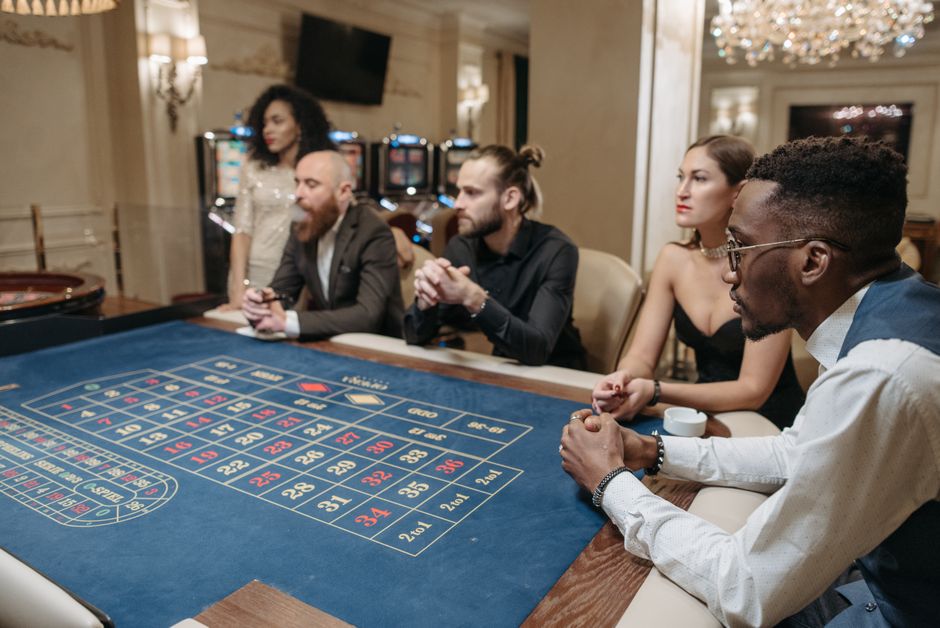
Every gambler remembers their first big win. Mine came on a rainy Tuesday in a half-empty casino in Macau, when a ¥50 bet on a Dragon Tiger table turned into a streak that paid for my entire trip. That feeling — the quick math in your head, the adrenaline, the certainty that you've cracked the code — is exactly what the house is banking on. I've spent the last decade covering iGaming as both a journalist and a player, and the truth is more nuanced than the tired old cliché. The house edge is real, but it's beatable in specific ways, under specific conditions, by specific people. Here's what actually separates the grinders from the donors.
Let's start with the number most players ignore: the house edge. It's the built-in profit margin the casino keeps on every bet over the long run. In European roulette, it's 2.7% — you lose, on average, 2.70 for every 100 staked. In American roulette, with that sneaky double-zero, it jumps to 5.26%. Same game, same wheel size, but one version costs you nearly twice as much.
Blackjack with perfect basic strategy sits around 0.5%. Baccarat's banker bet lands at 1.06%. And slots? Slot returns — the RTP percentage — typically range from 88% in physical machines to 96% in some online titles. That's a 4% to 12% edge, and it's why the slots floor pays the rent.
The practical takeaway: if you're going to play, play the games with the smallest edges. It sounds obvious, but you'd be shocked how many people happily feed a 7.5% edge game — looking at you, Double Zero roulette and Keno — because the jackpot looks shiny.
Slots are where most iGaming revenue comes from, and they're also where the most superstition lives. Let me kill one myth right now: machines do not go "hot" or "cold." Modern slots use random number generators that reseed thousands of times per second. The result of your last spin has zero bearing on your next one.
What does matter:
My rule: never chase a slot loss. The math guarantees you'll lose more often than you win on any given session. Bankroll management, not luck, is what keeps you in the game.
Here's the thing casino operators don't want you thinking about too hard: poker is not a house-edge game. You're playing against other players, and the house just takes a rake. That means a skilled player can post a long-term win rate — what poker players call +EV (positive expected value).
But "skilled" is doing a lot of heavy lifting there. In Texas Hold'em, the gap between a decent amateur and a winning regular comes down to three things: If you want to dig deeper, สล็อต is worth a look.
Online poker rooms make this harder because of HUDs, solvers, and bot rings. If you're serious, stick to sites with strong anti-cheat enforcement, and treat it as a long game — 100,000 hands is the real sample size, not the 200 you played last weekend.
Sports betting has exploded since the US Supreme Court struck down PASPA in 2018, and the promotional offers are wild — risk-free bets, odds boosts, deposit matches. Smart bettors treat these as what they are: temporary edge opportunities, not a strategy.
The single most important habit in sports betting is line shopping. The same NFL game can be priced at -3.5 on one book and -4 on another. Over 500 bets, a half-point difference in spread pricing moves your ROI by several percentage points. If you're not comparing prices across at least three books, you're donating.
Second habit: understand closing line value (CLV). If you consistently beat the closing line — the final spread before kickoff — you're almost certainly a long-term winner, even if your short-term results look ugly. Books know this, which is why winning accounts get limited fast.
If you take nothing else from this, take this:
The smartest gamblers I've met aren't the ones with the biggest wins; they're the ones who know exactly why they're sitting at the table. Some do it for the social thrill, some for the mental puzzle, a handful because they've found a genuinely exploitable edge. The dangerous group is the people who've lost track of why they started — the ones chasing a loss from three weeks ago or convinced that one more spin will fix everything.
The house does have an edge. It always will. But you get to decide whether that edge applies to you, game by game, session by session, by choosing your battles with the same care a poker pro brings to a preflop decision. That's not a guarantee of profit. It's just the only version of this hobby that stays fun, and the only version that stays affordable.

CJ Joinery shares practical, down-to-earth guidance on carpentry and joinery for homes for readers across the UK.
Stay Tuned With Updates


Leave A Comment